AI startup companies in Australia – Australia’s AI startup scene has matured into city-based clusters with different flavours: enterprise and health AI in Sydney, research spin-outs and product-led teams in Melbourne, and applied AI niches emerging in Brisbane and Perth. This guide maps the hubs, shows how to assess startups, and summarises the 2026 funding and safety signals to check before you partner, invest, or join.
Where Australia’s AI startup hubs are growing in 2026
Built-in style directories spotlight Sydney and Melbourne as the densest AI hubs. Sydney teams often target enterprise productivity, fintech risk, and health diagnostics; Melbourne startups skew to research-led computer vision, language models, and product-led B2B AI. Brisbane and Perth are rising with mining tech, climate analytics, and defence-adjacent applications. For jobseekers and partners, this means your shortlist should start with the city whose sector strengths match your domain, then filter by customer type (enterprise vs SME) and deployment maturity.
Download the AI startup companies in Australia checklist
Access a structured template to apply the steps in this guide.
💡Fast scan: pick the right hub
If you need regulated deployment (health/finance), prioritise Sydney teams with compliance partners. For research-heavy co-development, Melbourne’s university spin-outs and product studios are more common. Remote-first teams are growing; verify how they handle customer data residency in Australia.
How to assess an AI startup before you join or partner
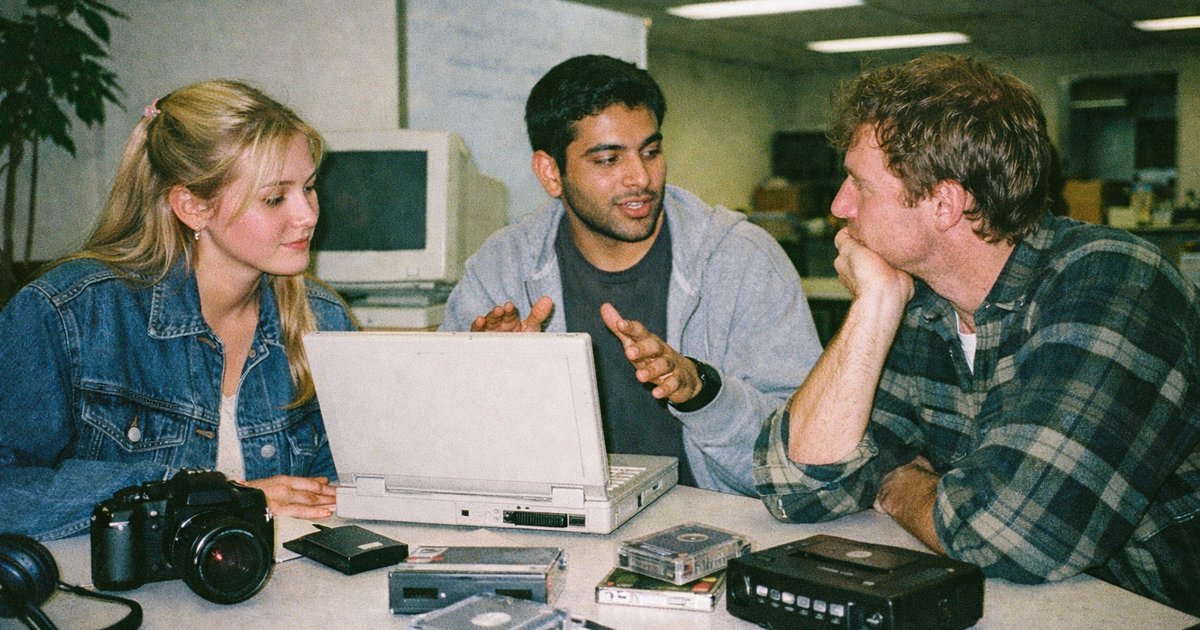
Top-ranking lists rarely explain evaluation signals. Go deeper: ask for deployed use cases (not just demos), data provenance, and model update cadence. Check if the team can separate experiments from production, and whether they run offline evaluations plus live monitoring. For career moves, look for transparent equity terms, salary bands aligned to Australian market rates, and evidence of inclusive hiring. For partnerships, prioritise clarity on who owns outputs, how they handle rollback, and whether SLAs exist after the pilot.
Traction, revenue, and product fit
Request pilot-to-paid conversion rates, churn, and typical deployment timelines. A credible early-stage AI startup will show at least a few paying customers, not just proof-of-concepts. If they serve regulated industries, ask how they satisfy privacy impact assessments and what third-party audits are planned.
Practical steps
- 1Map your risk appetite: regulated vs low-risk use cases
- 2Request a 6–12 week pilot scope with KPIs and rollback terms
- 3Review data handling, privacy impact assessment, and incident playbook
Expert insight
“If a startup cannot show how experiments are separated from production data and models, pause. Safety and observability discipline predicts reliability more than demo quality.”
Funding routes and grants for AI startups in 2026

Beyond VC, Australian founders are using the National Reconstruction Fund priority areas, state innovation vouchers (e.g., LaunchVic), and university commercialisation pathways. Many require matched funding and evidence of industry need. Angel and syndicate rounds remain active for applied AI, especially B2B productivity and climate tech. Ensure cap tables leave room for future raises; avoid over-indexing on SAFEs without clarity on valuation caps.
Hiring signals and skills AI startups expect now
Teams are prioritising ML engineers with MLOps and evaluation tooling experience, data engineers for reliable pipelines, and designers comfortable with human-in-the-loop flows. For jobseekers, showcase shipped work (not just notebooks), monitoring practices, and examples where you mitigated model bias or drift. Startups favour generalists who can instrument analytics, write product specs, and collaborate with security early.
Privacy, security, and responsible AI expectations
Expect references to the Privacy Act 1988 (Cth), OAIC guidance, and internal red-teaming for harmful outputs. Production-grade startups disclose retention limits, data residency (often AU or AU+NZ), and security controls such as encryption in transit/at rest. If a product uses third-party foundation models, ask how prompts, logs, and training data are isolated. Include a simple refusal policy for sensitive or high-risk queries, plus human escalation paths.
Partnering and piloting with AI startups
When co-developing, start with a contained pilot: define metrics (time saved, accuracy delta, risk reduction), bound the dataset, and agree on a rollback plan. Clarify IP ownership for outputs, avoid unrestricted data rights, and add a sunset clause for any data copies. For community support, connect with local groups such as MLAI to compare notes on vendors and hiring signals.
Move from research to action
The strongest AI startup companies combine sector focus, measurable traction, and responsible AI practices. Shortlist by city strengths, validate data safeguards, and run a time-boxed pilot with clear KPIs. For talent moves, prioritise teams that ship safely and share equity and salary transparently.
Your Next Steps
- 1Download the checklist mentioned above.
- 2Draft your initial goals based on the template.
- 3Discuss with your team or mentor.
Free MLAI Template Resource
Download our comprehensive template and checklist to structure your approach systematically. Created by the MLAI community for Australian startups and teams.
Access free templatesNeed help with AI startup companies in Australia?
MLAI is a not-for-profit community empowering the Australian AI community. Get practical recommendations based on your goals, time, and experience level.
Get recommendationsYou can filter by topic, format (online/in‑person), and experience level.