How to find networking events in Australia
Key facts: How to find networking events in Australia
Choose an event around the people you hope to meet and the question you want to explore. Verify the organiser, format and current availability before making plans.
Where can I find networking events near me?
Start with Meetup, Eventbrite, Humanitix and LinkedIn Events; filter by your city and industry.
How do I find events relevant to my field?
Use keywords (e.g., AI, design, product), follow organisers, and check coworking and university calendars.
What if there are no events nearby?
Search for virtual meetups, widen your radius, join Slack/Discord groups, or host a small coffee meetup.

How to find networking events in Australia — If you’re new to a city, changing roles, or building an Australian network, the quickest wins come from searching where organisers actually post, following a handful of reliable hosts, and setting a simple weekly routine so good events come to you.
Who is this guide for?
Founders & Teams
For leaders validating ideas, seeking collaborators, or hiring.
Students & Switchers
For people building a local network and portfolio in Australia.
Community Builders
For organisers, mentors, and hubs curating events and meetups.
Use the big discovery platforms (and how to search them)
Most Australian networking events are published on a few platforms. Start here and save your searches:
- Meetup: Filter by city and topic. Follow groups so new events appear in your feed and email digest.
- Eventbrite (AU): Use category = Business/Science & Tech and keywords like “networking”, “community”, “showcase”, or “demo”.
- Humanitix: Popular with Australian organisers; the search bar plus city filter surfaces hidden gems.
- LinkedIn Events: Search a topic, then switch the results tab to Events and set a location radius. Follow organisers to get notifications.
Quick Google helpers: site:eventbrite.com.au networking “Sydney”, site:meetup.com “Melbourne” AI, or “Brisbane” tech meetup this week. Adjust the city and topic to suit.
Find events through your local ecosystem

Beyond platforms, tap the institutions that host communities:
- Coworking and innovation hubs: Many publish public calendars or newsletters. Search “[your city] coworking events”.
- Universities and student societies: Public lectures, hack nights, and industry mixers often welcome non‑students.
- Industry associations: For tech, check bodies like ACS and similar groups; they run talks and networking nights across states.
- Local councils: “What’s On” guides list business and community events (good for small‑format meetups and workshops).
- Slack/Discord communities: Many local groups maintain shared calendars or pin event threads—search “2026 September Melbourne AI Discord/Slack”.
Search patterns that work (copy/paste and adapt)
- Meetup/Eventbrite/Humanitix: “2026 September [City] [topic] networking/meetup”.
- Google: site:eventbrite.com.au OR site:humanitix.com “networking” “[City]”.
- LinkedIn: Search topic → Events tab → Location = your city → Date = This week/This month.
Online‑first options if you can’t travel

Virtual meetups and webinars can be just as useful for starting conversations:
- Many Meetup and Eventbrite listings include an online stream—filter for Online.
- LinkedIn Live and YouTube premieres often have active chats; connect with speakers and attendees afterward.
- Join community Slack/Discord spaces and attend their virtual office hours or demo days.
Set up a 20‑minute weekly routine that surfaces the best events
- 1Save platform searches (city + topic) on Meetup, Eventbrite, and Humanitix; follow 10 organisers you like.
- 2On LinkedIn, follow organisers and join 2–3 groups; subscribe to 3–5 hub/university newsletters.
- 3Each Friday, review your feeds for 20 minutes; shortlist up to two events, RSVP, and block your calendar.
How to quickly assess an event’s value
Before you RSVP, scan the listing for:
- Fit: Agenda, audience, and host—do they match your goals?
- Signals: Past photos, repeat attendees, or partner organisations suggest reliability.
- Practicalities: Location, start/finish time, accessibility info, and code of conduct.
Closing: make it sustainable
Networking works when it’s consistent, not intense. Keep a light routine, pick one in‑person and one online event per month, and always follow up with a short, specific message. That rhythm compounds into a strong Australian network.
Sources & further reading
[1]Meetup — Find your next event
Meetup • Global community platform to discover local groups and events by topic and city.
Guide[2]Eventbrite Australia — Networking events
Eventbrite • Search and filter networking events across Australian cities and industries.
Guide[3]Humanitix — Find networking events in Australia
Humanitix • Ticketing platform with Australian focus and charity model; search by keyword and city.
Guide
Show all 6 references (3 more)Show less
[4]Create and manage events on LinkedIn
LinkedIn Help • How LinkedIn Events work, including discovery and notifications.
Analysis[5]ACS — Events
Australian Computer Society • Industry association listing for technology events across Australia.
Industry[6]City of Melbourne — What’s On
City of Melbourne • Official city guide featuring community and professional events (example of local council listings).
Government
Disclaimer: This article provides general information and is not legal or technical advice. For official guidelines on the safe and responsible use of AI, please refer to the Australian Government’s Guidance for AI Adoption →
Join the MLAI community
Connect with practitioners and enthusiasts across Australia—share events, find collaborators, and get practical support.
Get in touchNot‑for‑profit, community‑first.
About the Author
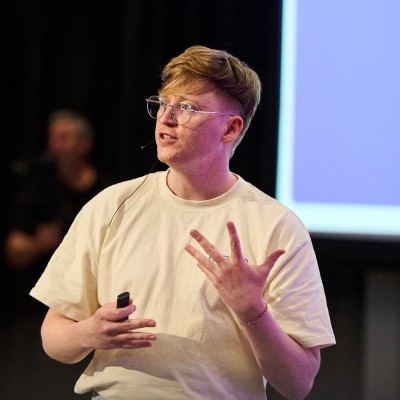
Dr Sam Donegan
Medical Doctor, AI Startup Founder & Lead Editor
Sam leads the MLAI editorial team, combining deep research in machine learning with practical guidance for Australian teams adopting AI responsibly.
Frequently Asked Questions
Where can I find networking events near me?
What keywords should I use when searching?
How do I network if I’m introverted or new?
What should I bring or prepare?
How do I judge if an event is worth my time?
How should I follow up after attending?
Disclaimer: This article provides general information and is not legal or technical advice. For official guidelines on the safe and responsible use of AI, please refer to the Australian Government’s Guidance for AI Adoption →
.png?alt=media&token=dc0a3df1-837b-4549-be70-bc59ba215777)
Join our upcoming events
Connect with the AI & ML community at our next gatherings.