MLAI Kangaroo logo
1Hello2Events3Founder Tools4People5Sponsor6Articles7Login

Disclaimer: This article provides general information and is not legal or technical advice. For official guidelines on the safe and responsible use of AI, please refer to the Australian Government’s Guidance for AI Adoption →

Next up

Accelerator startup programs in Australia (2026)

How accelerators work in Australia in 2026: eligibility, equity, timelines, and how to choose the right program. Links to LaunchVic, Startmate and Google for Startups.

Founders collaborating at an accelerator workspace

Authoritative references

  • Australia's AI Ethics Principles

    Eight voluntary principles designed to ensure AI is safe, secure and reliable.

  • Policy for the Responsible Use of AI in Government

    Framework for accelerated and sustainable AI adoption by government agencies.

  • National AI Centre (CSIRO)

    Coordinating Australia’s AI expertise and capabilities to build a responsible AI ecosystem.

Join our upcoming events

Connect with the AI & ML community at our next gatherings.

Melbourne | How to Generate, Capture & Nurture Leads on Autopilot - Built in 4 Hours

Melbourne | How to Generate, Capture & Nurture Leads on Autopilot - Built in 4 Hours

Fri, 23 Jan
10:30 pm
Stone & Chalk Melbourne Startup Hub, 121 King St, Melbourne VIC 3000, Australia
Use AI To Hack Your Way To Google Page #1 (Jan 2026)

Use AI To Hack Your Way To Google Page #1 (Jan 2026)

Fri, 30 Jan
11:30 pm
121 King St, Melbourne VIC 3000, Australia
Melbourne | MLAI x StartSpace Monthly Saturday Co-working Day

Melbourne | MLAI x StartSpace Monthly Saturday Co-working Day

Fri, 6 Feb
11:00 pm
State Library Victoria, 328 Swanston St, Melbourne VIC 3000, Australia
View All Events →

Footer

Events

  • Upcoming
  • Calendar

About

  • Contact
  • LinkedIn

Sponsoring

  • Info for sponsors

Volunteering

  • Apply to Volunteer
LinkedInInstagramSlack
MLAI text logo

© 2026 MLAI Aus Inc. All rights reserved.·Privacy Policy·Terms of Service

  1. /Articles
  2. /What is venture capital?

What is venture capital?

Key facts: What is venture capital?

Short, factual overview of VC in Australia (as at 2026). Refer to business.gov.au and trusted legal/tax sources for up-to-date guidance.

  • How does venture capital work?

    Funds (GPs) invest LP money into startups, aiming for exits that return the fund plus profit (carry).

  • What are the stages of VC funding?

    Pre‑seed, Seed, Series A–C+. Instruments include SAFEs/notes and priced equity; round sizes grow with traction.

  • Is VC right for my startup?

    Best for hyper‑growth, large markets; consider grants or bootstrapping if growth is steadier or capital‑light.

Two people reviewing a term sheet in a modern office

This guide explains venture capital in practical terms for an Australian audience (general information only, as at 2026). Prefer to browse related funding topics? Browse related articles →

Founders & Teams

For leaders validating ideas, seeking funding, or managing teams.

Students & Switchers

For those building portfolios, learning new skills, or changing careers.

Community Builders

For workshop facilitators, mentors, and ecosystem supporters.

What is venture capital? — Venture capital (VC) is private funding for high-growth companies. In Australia, VC funds back early-stage teams in large markets, aiming for outsized exits. Official guidance is available via business.gov.au; treat this article as general information (not financial, legal, or tax advice).

Two people reviewing a term sheet in a modern office

How venture capital works: funds, LPs and GPs

VC funds are structured vehicles managed by General Partners (GPs) who raise capital from Limited Partners (LPs) like super funds, family offices, and high-net-worth individuals. Funds typically run 10–12 years: an investment period (~3–5 years) followed by years focused on supporting portfolio companies and realising exits. Because only a few investments may return the fund, VCs prioritise opportunities with large markets and potential for defensible advantage.

In Australia, frameworks such as Venture Capital Limited Partnerships (VCLP) and Early Stage Venture Capital Limited Partnerships (ESVCLP) exist to encourage investment. Always verify current settings on business.gov.au (as at 2026).

Free download

Download the What is venture capital? checklist

Access a structured template to apply the steps in this guide.

Get the checklist
🗒️

Experiment Card

Preview

🧠

Decision Log

Preview

💡Tip: anchor your story in evidence

Investors respond to crisp signals: a tight problem statement, clear target customer, early traction, and a plan tied to milestones. Define the next 12–18 months in measurable terms, not just a large total addressable market (TAM).

Funding stages and instruments: pre-seed to Series C
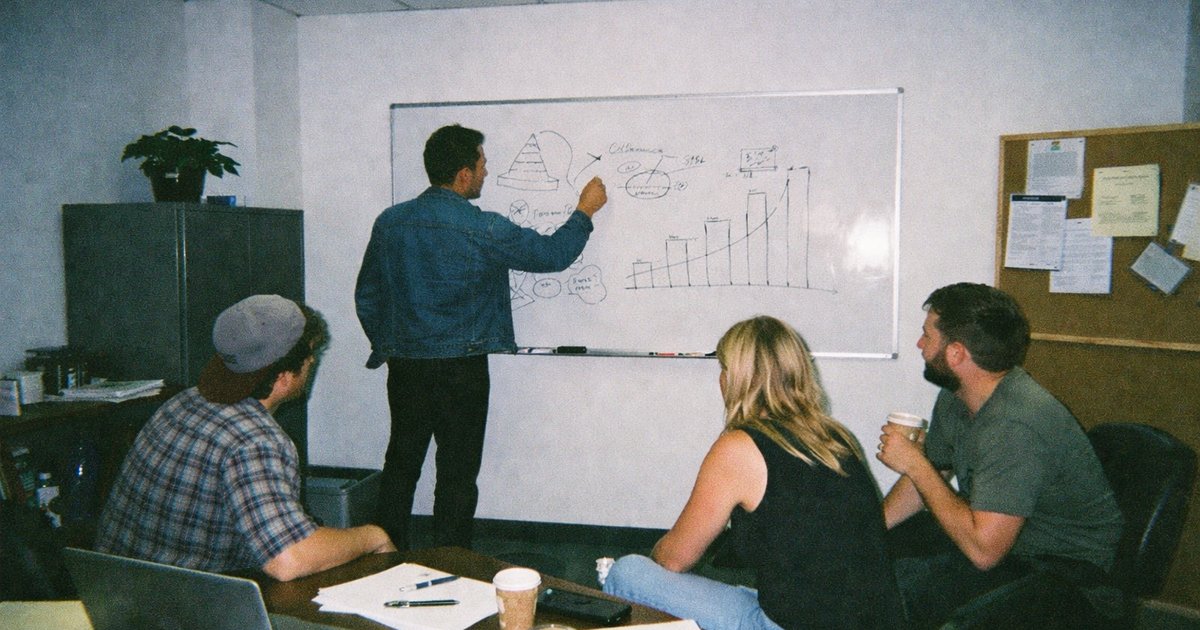
People collaborating in a tech startup workspace, captured in a vibrant 90s film aesthetic.

Rounds generally progress from pre-seed/seed (finding fit) to Series A/B (scaling) and beyond (growth). Instruments include SAFEs or convertible notes (deferring price discovery) and priced equity rounds. Later stages often use priced equity with investor protections aligned to risk.

Convertible notes, SAFEs and equity — what’s different?

SAFEs and notes convert into equity in a future priced round, typically using a valuation cap and/or discount. They trade simplicity for uncertainty about final dilution. Priced equity sets ownership now, often with a lead investor, negotiated valuation, and governance terms. Seek local legal advice on structures in Australia (as at 2026).

VC vs angels, private equity and crowdfunding

Tech entrepreneurs collaborate in a vibrant 90s film aesthetic, highlighting VC vs. angel investing and crowdfunding.

Angels invest earlier with smaller cheques and may move faster. VC brings larger capital and a portfolio of support but has higher growth expectations. Private equity usually targets later-stage, profitable businesses with different control terms. Crowdfunding can validate demand but adds investor management overhead. Choose the path that fits risk, speed, and governance preferences.

What investors look for (and how to show it)

Common signals include: exceptional team–market fit; credible wedge into a large market; clear business model and unit economics; defensibility (data, network, IP, regulation); traction quality (retention, activation, sales cycle); and a plan that aligns capital to milestones. For AI ventures, be explicit about data rights, privacy, model risks, and evaluation practice.

The raise process in Australia: from intros to term sheets

Typical flow: refine deck → warm introductions → first meetings → partner meetings → diligence (metrics, customer calls, legal) → term sheet → legals → close. Warm intros via community groups, mentors, or alumni networks often lift response rates. Keep a lightweight investor CRM and send concise updates during the process.

Practical steps

  • 1Map 12–18 month milestones and capital required (uses of funds, hiring, R&D, GTM).
  • 2Assemble deck and data room (cap table, metrics definitions, budget, risks).
  • 3Target a focused investor list; secure warm intros through community connectors.
  • 4Run a tight process: timebox the raise, cluster meetings, share consistent updates.
  • 5Negotiate terms you understand; get independent legal/tax advice (AU context).
Expert insight
“Great fundraises are disciplined projects: sharp story, clean data room, and a plan that translates dollars into de-risked milestones.”

Economics 101: management fees, carry and dilution

Most VC funds charge an annual management fee (commonly ~2%) and earn carry (often ~20%) after returning invested capital to LPs. For founders, the key lens is dilution: how much ownership you trade for capital and support. Model scenarios for future rounds and exits so the team understands outcomes across success bands.

Is VC a fit? Grants, bootstrapping, and other options

VC is a tool for speed and scale, not a goal. If your path is capital-light or steady, consider grants, revenue, or project finance. In Australia, review programs on business.gov.au (including the R&D Tax Incentive via the ATO) and community or industry partnerships. Match the capital to the job to be done.

Choose your path and timebox your raise

Decide whether VC matches your milestones and market size. If it does, run a focused process with clear criteria and a time limit. If not, channel energy into alternatives that compound momentum without unnecessary dilution.

Your Next Steps

  • 1Download the checklist mentioned above.
  • 2Draft your initial goals based on the template.
  • 3Discuss with your team or mentor.
📝

Free MLAI Template Resource

Download our comprehensive template and checklist to structure your approach systematically. Created by the MLAI community for Australian startups and teams.

Access free templates

Need help with What is venture capital??

Get practical recommendations based on your goals, time, and experience level.

Get recommendations

You can filter by topic, format (online/in‑person), and experience level.

About the Author

Dr Sam Donegan

Dr Sam Donegan

Medical Doctor, AI Startup Founder & Lead Editor

Sam leads the MLAI editorial team, combining deep research in machine learning with practical guidance for Australian teams adopting AI responsibly.

AI-assisted drafting, human-edited and reviewed.

Frequently Asked Questions

How does venture capital work in Australia?

VC funds are managed by General Partners (GPs) who raise capital from Limited Partners (LPs) such as super funds, family offices, and high-net-worth individuals. GPs invest in early-stage companies aiming for outsized outcomes (exits via acquisition or IPO). Australia supports VC through regimes like VCLP and ESVCLP; always check current guidance (as at 2026).

What are the typical funding stages and cheque sizes?

Stages and ranges vary with market conditions, but a rough, non-binding guide in AU (as at 2026):

  • Pre-seed: ~A$250k–A$1.5m (often notes/SAFEs).
  • Seed: ~A$1m–A$4m.
  • Series A: ~A$5m–A$15m+.
  • Series B+: growth rounds based on traction and capital intensity.

Use these only as directional ranges; actual round sizes depend on sector, traction, and investor appetite.

Do I need revenue to raise VC?

Not always. At pre-seed/seed, strong teams, clear problem/solution fit, and early signals (prototypes, waitlists, pilots) can be enough. Later rounds typically expect measurable traction and growth efficiency (e.g., retention, sales velocity).

How do VCs make money?

VCs charge an annual management fee (commonly ~2%) to run the fund and earn “carry” (commonly ~20%) on profits above returning invested capital to LPs. This pushes VCs to seek high-upside outcomes.

Which AU programs or tax settings should I know about?

Review official sources (as at 2026): business.gov.au – Venture capital overview, ATO – R&D Tax Incentive, and the ESVCLP/VCLP frameworks referenced on business.gov.au. Seek independent legal/tax advice for your situation.

What documents will investors expect?

  • Pitch deck (problem, solution, traction, market, business model, plan).
  • Data room: cap table, company docs, financial model or budget, key metrics, customer/market evidence.
  • Draft instrument: SAFE/convertible note/equity terms (get local legal advice).

Is venture capital right for my startup?

VC suits ventures chasing hyper-growth in large markets with potential for significant exits. If your growth is steady or capital-light, consider grants, revenue finance, or bootstrapping instead.

← Back to ArticlesTop of page ↑