How technology has changed education
Key facts: How technology has changed education
Explore changes in access, teaching and assessment, while asking which learners and settings the evidence actually describes.
Does technology improve student outcomes?
When paired with good pedagogy, tech can speed feedback and boost engagement; impact varies by context.
How has technology changed assessment?
More formative quizzes, faster feedback and analytics; authentic, real‑world tasks still matter most.
What are the biggest risks?
Distraction, inequity and privacy; mitigate with clear policies, accessibility and offline options.
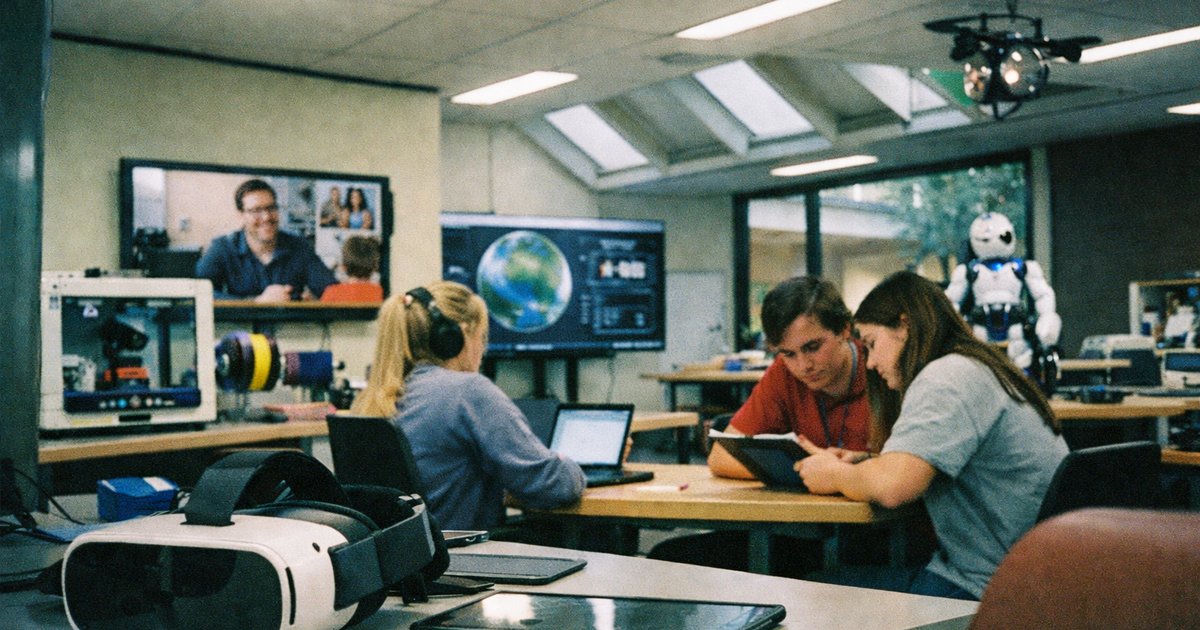
How technology has changed education — In Australia, classrooms and lecture theatres have moved from paper‑first to digital‑by‑default. Rather than asking whether technology replaces teaching, the useful question is how it changes access, collaboration, feedback and assessment — and which trade‑offs to manage so learners actually benefit.
Who is this guide for?
Founders & Teams
For leaders validating ideas, seeking funding, or managing teams.
Students & Switchers
For those building portfolios, learning new skills, or changing careers.
Community Builders
For workshop facilitators, mentors, and ecosystem supporters.
What has actually changed in classrooms and lecture theatres?
The core shift is structural: content is now accessible on demand (LMS, video, cloud docs), classrooms are hybrid‑ready, and assessments increasingly combine in‑person tasks with digital submissions. For many Australian schools, TAFEs and universities, micro‑credentials and flexible timetabling extend learning beyond a fixed campus week.
Access and flexibility: online, blended and micro‑credentials

Online and blended delivery broaden who can participate — regional learners, carers, and people working part‑time. Recorded lectures and flexible labs reduce timetable friction, and short micro‑credentials let Australians upskill without committing to a full degree. The trade‑off is ensuring equitable device/data access and maintaining engagement without overloading learners.
Personalised learning and assessment: adaptive platforms and fast feedback

Low‑stakes quizzes, interactive notebooks, and adaptive practice tools offer immediate feedback and targeted exercises. Analytics help educators spot misconceptions early. These gains rely on clear learning outcomes and authentic tasks — otherwise tools can drift into busywork or feel punitive.
Has technology improved outcomes?
Evidence suggests technology can improve engagement and the speed/quality of feedback when aligned to sound pedagogy. Impact depends on implementation: pacing, task design, and how teachers use insights to adjust instruction matter more than the brand of tool.
Teacher–technology collaboration: planning, feedback and co‑design
The strongest improvements come when technology augments teacher practice: streamlining admin, centralising resources, and supporting timely feedback. Professional learning and collaborative planning time help staff co‑design activities that use tools intentionally, not incidentally.
Collaboration and community: from group chats to cloud documents
Real‑time documents, version history, and shared whiteboards make peer learning visible and reviewable. Students can contribute asynchronously, record short presentations, and reflect with timestamps. Clear norms (naming files, roles, conflict resolution) keep collaboration constructive.
The cons: distraction, equity gaps, and privacy risks
Always‑on devices can fragment attention; not all learners have reliable hardware or data; and platforms vary in privacy controls. Australian contexts also need to consider data retention, parental consent, and academic integrity when using AI‑enabled tools.
How to reduce the downside in Australian contexts
Use minimal‑distraction modes (focus settings, locked browsers) for key tasks, provide offline or low‑bandwidth options, and teach students to manage notifications. Prefer tools with transparent privacy controls and accessibility features, and make expectations explicit (e.g., what AI assistance is allowed and how to acknowledge it).
Step‑by‑step actions
- 1Define one learning outcome you want to improve (e.g., faster feedback).
- 2Pick a low‑friction tool that fits your context and privacy needs.
- 3Run a 2–3 week pilot with clear norms (focus modes, file naming, roles).
- 4Measure what changed: engagement, feedback speed/quality, outcomes.
- 5Iterate or swap tools; keep what measurably helps learning.
More from the MLAI article library
Browse practical guides and explainers on AI, startups, and careers, written by the MLAI community for Australian startups and teams.
Browse all articlesClosing thoughts: tools change, good teaching endures
Technology will keep shifting — from LMS features to AI‑assisted feedback — but the anchor stays the same: clear learning goals, inclusive design, and timely feedback. Use evidence, run short pilots, and share what works with your community. That’s how Australian learners benefit at scale.
Sources & further reading
[1]How Has Technology Changed Education?
Purdue University College of Education • Overview of how technology affects access, personalisation, collaboration and the teacher role.
Analysis[2]How Collaboration Between Teachers and Technology Can Improve Education
ECU Online • Discusses teacher–technology collaboration and practical classroom improvements.
Analysis
Disclaimer: This article provides general information and is not legal or technical advice. For official guidelines on the safe and responsible use of AI, please refer to the Australian Government’s Guidance for AI Adoption →
Need help with How technology has changed education?
Join the MLAI community to collaborate with peers across Australia.
Get in touchNot‑for‑profit, community‑first.
About the Author

Dr Sam Donegan
Medical Doctor, AI Startup Founder & Lead Editor
Sam leads the MLAI editorial team, combining deep research in machine learning with practical guidance for Australian teams adopting AI responsibly.
Frequently Asked Questions
What are the biggest ways technology has changed education?
Does technology improve learning outcomes?
What are the downsides or risks?
How has the teacher’s role changed?
How can students pick reliable ed‑tech tools?
Where does AI fit in education?
Disclaimer: This article provides general information and is not legal or technical advice. For official guidelines on the safe and responsible use of AI, please refer to the Australian Government’s Guidance for AI Adoption →

Join our upcoming events
Connect with the AI & ML community at our next gatherings.