How technology is shaping learning in higher education
Key facts: How technology is shaping learning in higher education
Examine how digital tools affect university learning and assessment, including access, evidence of learning and the limits of automated feedback.
How is AI changing higher education learning?
AI supports drafting, feedback, and practice; policies prioritise transparency and assessment redesign.
What does blended or hybrid delivery look like in 2026?
Recorded lectures + LMS modules with on‑campus workshops, labs, and authentic assessments.
Do micro‑credentials count towards degrees in Australia?
Many can be stacked under the National Microcredentials Framework—recognition varies by provider.

How technology is shaping learning in higher education — In 2026, Australian universities are effectively hybrid‑first. Lecture capture, LMS‑centred delivery, and AI‑enabled tools now sit alongside studios, labs, placements, and workshops. For students and educators, the goal is the same: design learning that is authentic, inclusive, and prepares people for real work with AI.
Who is this guide for?
Students & Graduates
Make the most of hybrid courses, AI‑supported study, and micro‑credentials.
Career Changers
Bridge gaps with stackable learning and portfolio‑first projects.
Educators & Designers
Design authentic assessments and accessible, AI‑aware learning experiences.
From lecture theatres to hybrid‑first delivery
Most Australian courses now blend weekly recordings and LMS modules with tutorials, studios, and placements. The shift isn’t about replacing campus time but using it for higher‑value activities—discussion, critique, hands‑on labs, and assessment support—while content delivery and practice can happen online.
AI in the classroom: personalisation, feedback, and integrity
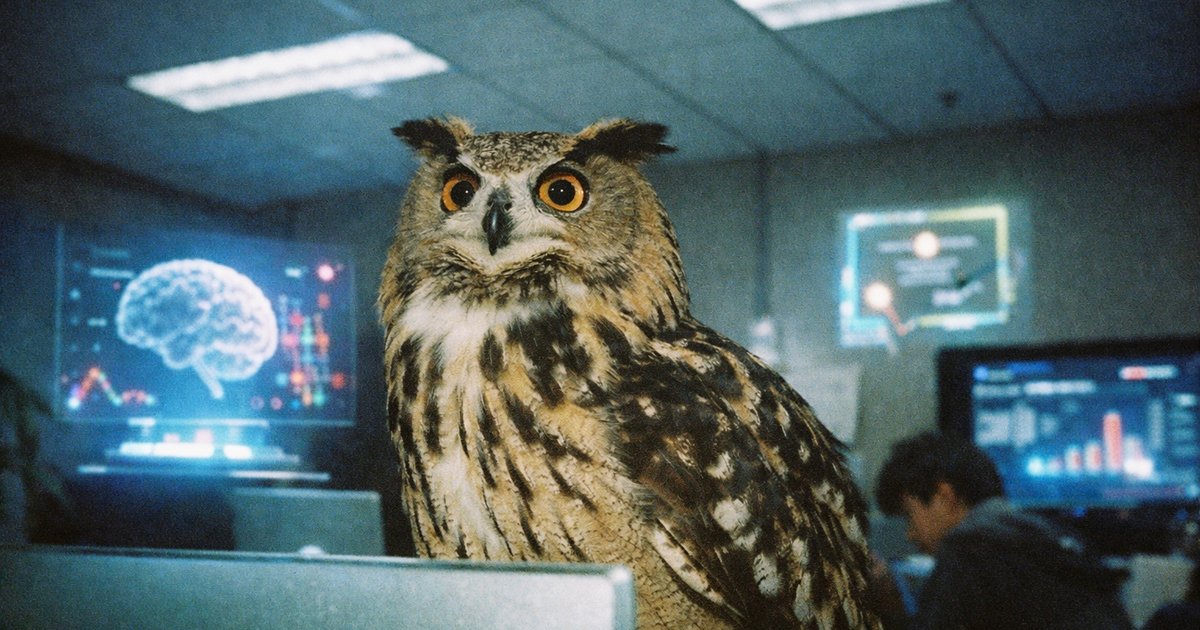
Generative AI can scaffold ideas, offer draft feedback, and simulate interview or viva practice. Universities emphasise transparent use, with clear rules on what is permitted and how to acknowledge it. Detection tools remain imperfect, so assessment design (process evidence, oral defences, and authentic tasks) carries the load for integrity.
What to expect in 2026 semesters
Expect guidance at the subject level on acceptable AI use; more iterative submissions that capture your process; and rubrics that reward reasoning, critique, and original artefacts over generic prose.
Assessments are evolving: authentic tasks and open‑AI policies

As open‑book and open‑AI norms grow, assessments lean towards real‑world scenarios—client briefs, data analysis with commentary, oral presentations, and prototypes. These formats make misuse harder and the learning more transferable, particularly for AI‑adjacent roles.
Learning analytics and data governance
LMS activity and formative quiz data help educators see engagement patterns and flag support needs. Institutions are increasingly explicit about privacy, consent, and purpose limits for student data. Analytics should guide timely support, not become high‑stakes surveillance.
Micro‑credentials and short courses: stackable, skills‑first
Micro‑credentials aligned to the National Microcredentials Framework provide focused, credit‑bearing units that can be stacked. They’re useful for plugging gaps (e.g., Python for data work, prompt engineering, ethics and safety) and for career changers building a portfolio of evidence.
Accessible by default
With hybrid learning the norm, accessibility isn’t optional—captions, transcripts, structured headings, colour‑contrast, and keyboard‑friendly interfaces are expected. These practices support many learners, not only those with disclosed disabilities.
XR, simulations, and work‑integrated learning
Extended reality (XR) and high‑fidelity simulations are increasingly used where labs are scarce, risky, or expensive. Paired with industry projects, they help students rehearse complex decision‑making before practicum or placements.
How to make the most of tech‑enhanced uni in 2026
- 1Map each subject’s AI policy and acceptable tools
- 2Keep a short learning log of prompts, drafts, and decisions
- 3Prioritise studio/workshop time for feedback and critique
- 4Use micro‑credentials to close skill gaps (e.g., Python, ML ops, ethics)
- 5Build portfolio artefacts from authentic assessments
More from the MLAI article library
Browse practical guides and explainers on AI, startups, and careers, written by the MLAI community for Australian startups and teams.
Browse all articlesWhat this means for students planning an AI career
Lean into hybrid rhythms, use AI transparently for practice and feedback, and choose assessments and micro‑credentials that produce credible artefacts. Curate these in a public portfolio and connect with peers through communities and events—your network matters as much as your transcripts.
Sources & further reading
[1]Artificial intelligence in research
Universities Australia • Sector‑level guidance for Australian higher education on responsible and ethical use of AI.
Guide[2]National Microcredentials Framework
Australian Government Department of Education • Framework outlining definitions and recognition settings for micro‑credentials in Australia.
Analysis
Disclaimer: This article provides general information and is not legal or technical advice. For official guidelines on the safe and responsible use of AI, please refer to the Australian Government’s Guidance for AI Adoption →
Need help with How technology is shaping learning in higher education?
Join the MLAI community to connect with practitioners and find practical ways to grow your skills in Australia.
Get recommendationsCommunity‑first, not‑for‑profit. We’ll point you to helpful, credible options.
About the Author
Dr Sam Donegan
Medical Doctor, AI Startup Founder & Lead Editor
Sam leads the MLAI editorial team, combining deep research in machine learning with practical guidance for Australian teams adopting AI responsibly.
Frequently Asked Questions
What technologies are most influential in Australian higher education in 2026?
How are universities handling AI use in assignments?
Do micro‑credentials count towards a degree in Australia?
Is blended learning here to stay?
How can students use AI tools responsibly?
What skills should I focus on for an AI career while at uni?
Disclaimer: This article provides general information and is not legal or technical advice. For official guidelines on the safe and responsible use of AI, please refer to the Australian Government’s Guidance for AI Adoption →

Join our upcoming events
Connect with the AI & ML community at our next gatherings.