What Is Inference in Artificial Intelligence and Why It Matters
Key facts: What Is Inference in Artificial Intelligence and Why It Matters
Learn what inference in artificial intelligence means, how it differs from training and serving, and why it matters in real AI systems.
What is inference with an example?
Inference is when a trained AI model uses new data to produce an output. For example, a spam filter reviewing a new email and labeling it spam or inbox is performing inference.
What is an inference in AI?
An inference in AI is the output a trained model produces from unseen input, such as a prediction, classification, decision, or generated response. It is the stage where learned patterns are applied in practice.
What are 5 examples of an inference?
Common examples include spam detection, image recognition, navigation recommendations, grammar assistance, and chatbot replies. In each case, a trained model receives fresh input and returns a result.
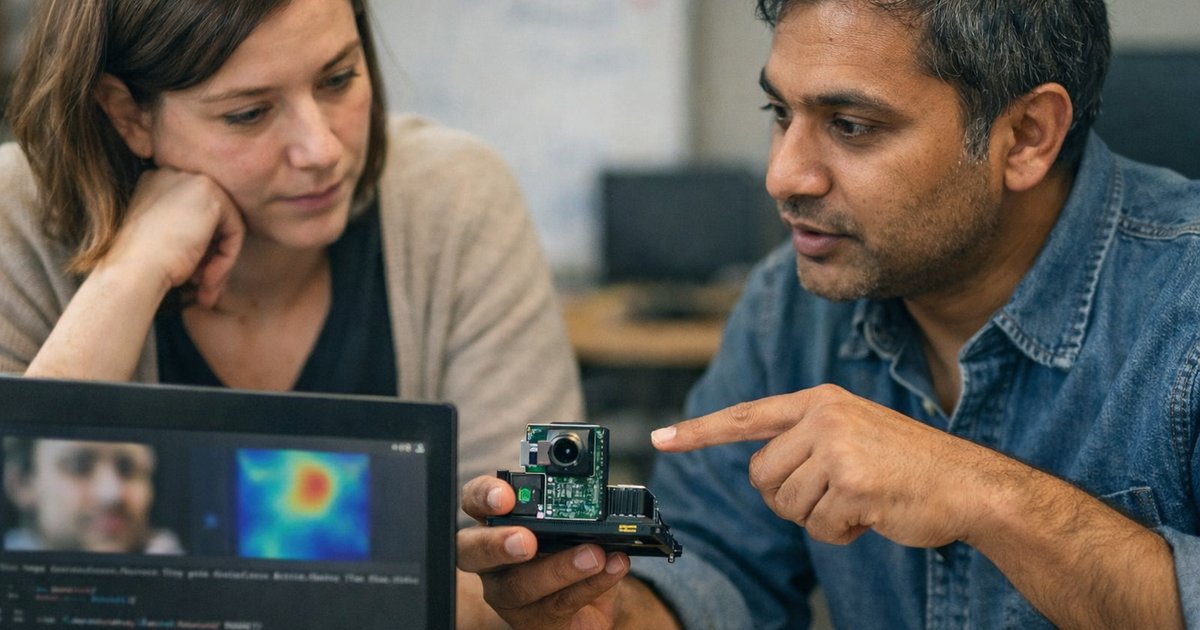
What Is Inference in Artificial Intelligence and Why It Matters — Inference in artificial intelligence is the process of using a trained model on new, unseen data to produce an output. That output can be a prediction, a classification, a decision, or generated content such as text or an image. In plain English, inference is the moment the model stops learning and starts doing useful work with what it already learned.
This is why many sources describe inference as the operational or “doing” part of AI. A model receives an input, applies patterns learned during training, and returns an answer. If a system labels an email as spam, identifies an object in a photo, or generates a response from a prompt, that visible result is inference. It is the stage where AI creates practical value in real applications and workflows.
Inference also helps explain where this step sits in the wider AI lifecycle. Training comes first, when the model learns from data. Inference comes after that, when the trained model is used on fresh inputs in real-world use. From there, teams often need to think about serving, speed, scale, and cost, but those are later operational concerns. At its core, inference simply means a trained AI model turning input into a useful output.
Who is this guide for?
Founders & Builders
For operators validating demand, pitching a vision, and moving before momentum stalls.
Students & Switchers
For readers learning how strong technical partners evaluate traction, skills, and fit.
Community Builders
For connectors, mentors, and organisers helping founders meet collaborators in the right rooms.
Training, fine tuning, inference and serving
These terms describe different parts of the same machine learning workflow, but they are not interchangeable. Training is the learning phase. A model studies examples, finds patterns, and adjusts its internal parameters so it can do a task better over time. Inference starts after that learning phase. It is the moment the trained model receives new, unseen data and produces an output, such as a prediction, a decision, or generated text.
That is why many sources describe inference as the "doing" part of AI or the final step that people experience as AI in practice. In a real product, users usually do not see training happen. They see inference happen when they upload an image, ask a chatbot a question, or send new data into a model and get a result back. Training builds the capability, while inference applies it.

Where fine tuning fits
Fine tuning sits between broad training and day-to-day inference. Instead of building a model from scratch, teams start with an already trained model and adapt it to a narrower task, domain, or style. The core idea is still learning from data, but the goal is more specific than the original training stage.
After fine tuning is complete, the updated model is then used for inference just like any other trained model. In simple terms, fine tuning changes what the model has learned, while inference uses whatever the model has already learned at that point.
What serving adds
Serving is the delivery layer around inference. It is the infrastructure and runtime setup that makes a model available to an application, a website, or an internal system. If inference is the act of producing an answer, serving is how that answer becomes accessible and reliable in production.
This distinction matters because a model can be trained and even fine tuned without being ready for real users. Serving focuses on making inference usable at scale, with the speed, availability, and deployment setup needed for live requests. So the full picture is: training teaches, fine tuning adapts, inference answers, and serving makes those answers available in the real world.
How AI inference works from input to output
AI inference starts when a trained model receives new data it has not seen before. That input might be a photo, a sentence, a sound clip, or a row of business data. Before the model can use it, the system usually puts it into the format the model expects. In simple terms, the input is prepared, passed into the model, and checked against patterns the model learned during training. This is the point where AI stops learning and starts doing useful work.
Once the model runs, it produces an output based on that fresh input. The output depends on the task. So the flow is usually: prepare the input, run the trained model, read the result, then trigger an action if needed.
- Phase 1: receive and prepare new input
- Phase 2: run the trained model on that input
- Phase 3: return and interpret the output

What the output can look like
The same inference flow can end in different kinds of answers. A classification model may return a label such as spam or not spam. A prediction model may return a score or probability. A generative model may return new text or an image. Across these cases, the core idea stays the same: new data goes in, the trained model applies what it learned, and the system returns an answer that can be shown to a user or used by another part of the application.
Practical next steps
- 1Phase 1: receive and prepare new input
- 2Phase 2: run the trained model on that input
- 3Phase 3: return and interpret the output
The main types of AI inference
AI systems usually run inference in two broad ways: real-time inference and batch inference. Real-time inference, sometimes called online inference, means the model receives new input and returns a result straight away. This mode is used when a person, device, or software system needs a fast response, such as a chatbot replying to a message or a model classifying incoming data as it arrives. The main goal is low latency, because the output is part of a live experience.
Batch inference works differently. Instead of handling one request at a time for an immediate answer, the model processes many inputs together on a schedule or as a larger job. In practice, teams choose between these modes based on the trade-off between response time, operating cost, and the kind of user experience they need to deliver.
- Real-time inference focuses on quick responses for live applications.
- Batch inference focuses on processing larger volumes efficiently.
- The right mode depends on latency needs, scale, cost, and user experience.
How to decide between real-time and batch inference
A simple way to think about the choice is to ask when the prediction is needed. If the answer must appear during an interaction, real-time inference is usually the better fit. If the prediction can wait until later, batch inference may be more practical. This makes the distinction less about the model itself and more about the timing of the workload.
Real-time systems are designed to stay ready for incoming requests, which supports fast output but can be more demanding to operate. Batch jobs can group work together, which may improve efficiency when large amounts of data need the same kind of prediction. That is why two systems using similar models can still choose very different inference modes depending on how often requests arrive and how quickly results are expected.
Examples and common questions about AI inference
AI inference is what happens when a trained model is given new input and produces an output. In plain terms, it is the working stage of AI. A spam filter is a simple example: the model has already learned patterns from earlier email data, and during inference it looks at a new email and predicts whether it is spam or not.
This also helps answer a common question: what are inferences in AI? They are the predictions, classifications, decisions, or generated outputs a trained model produces from unseen data. In that sense, inference is not a separate kind of intelligence. It is the moment the model uses what it learned. Sources also frame this as the final step after training, where AI delivers a result in a real application rather than continuing to learn.

What is an example of AI inference?
A clear example is email classification. After training on many examples of spam and non-spam messages, the model receives a brand-new email. It checks the patterns in that message and returns an output such as spam or inbox. That single prediction is an AI inference.
Another example is image recognition. A trained model sees a new image and predicts what it contains based on patterns learned earlier. Red Hat describes this as a model providing an answer based on data, and Google Cloud describes it as the point where the model stops learning and starts doing useful work on new input.
What are the basic types, and how is inference different from generative AI?
At a basic level, inference can show up in a few familiar forms: classification, prediction, decision-making, and generation. Classification covers tasks like spam detection or image labeling. Prediction and decision-making cover cases where a model evaluates new data and chooses an output or action. Generation is still inference too, because a trained model is producing text, images, or another result from a prompt.
That is why inference and generative AI are not opposites. Generative AI is a category of AI systems that can create new content, while inference is the runtime process those systems use to produce that content. IBM explicitly places generative AI within the broader pattern-recognition view of inference. So when a chatbot writes a reply, the chatbot is a generative AI application, and the act of producing that reply is inference.
Why inference matters in practice
Inference is the point where an AI system stops being a trained model on paper and starts producing a real output. It is the moment a model takes new, unseen input and turns it into a prediction, decision, or generated response. That is why inference is the stage most people actually experience when they use AI. In practice, it is also where AI delivers business value, because the system must respond to real requests in a real setting.
When you evaluate an AI product, demo, or internal tool, it helps to separate training from inference. A model may have impressive training behind it, but the practical question is how well it performs during inference. Look at whether the output is accurate enough for the task, how quickly it responds, what it costs to run, and where it is deployed. Using that training-versus-inference distinction makes AI claims easier to assess and keeps attention on the part that users, teams, and customers depend on every day.

More from the MLAI article library
Browse practical guides and explainers on AI, startups, and careers, written by the MLAI community for Australian startups and teams.
Browse all articlesSources & further reading
[1]What is ai inference? | OVHcloud Australia
ovhcloud.com • ovhcloud.com
Guide[2]What is AI inference? How it works and examples | Google Cloud
cloud.google.com • cloud.google.com
Guide[3]AI Inference: Everything You Need To Know | SUSE Communities
suse.com • suse.com
Guide
Show all 11 references (8 more)Show less
[4]What is AI Inference? | IBM
ibm.com • ibm.com
Guide- Guide
[6]What is AI inference?
redhat.com • redhat.com
Guide[7]The difference between AI training and inference
nebius.com • nebius.com
Guide[8]What is AI Inference – Arm®
arm.com • arm.com
Guide[9]A strategic approach to AI inference performance
redhat.com • redhat.com
Guide[10]What is AI inference? (+ When to Use It and How to Run It in Production) | Azion
azion.com • azion.com
Guide[11]Inference in AI - GeeksforGeeks
geeksforgeeks.org • geeksforgeeks.org
Guide
Disclaimer: This article provides general information and is not legal or technical advice. For official guidelines on the safe and responsible use of AI, please refer to the Australian Government’s Guidance for AI Adoption →
Keep building your practical AI understanding
If you want more plain-English guidance on how AI systems work in real settings, explore beginner-friendly learning resources and examples.
Explore practical AI learningAbout the Author

Dr Sam Donegan
Medical Doctor, AI Startup Founder & Lead Editor
Sam leads the MLAI editorial team, combining deep research in machine learning with practical guidance for Australian teams adopting AI responsibly.
Frequently Asked Questions
How is inference different from training in AI?
Where does fine tuning fit in the AI workflow?
What is the difference between inference and serving?
What are the main types of AI inference?
Is generative AI still using inference?
What should people evaluate during AI inference?
Disclaimer: This article provides general information and is not legal or technical advice. For official guidelines on the safe and responsible use of AI, please refer to the Australian Government’s Guidance for AI Adoption →

Join our upcoming events
Connect with the AI & ML community at our next gatherings.
Check availability, any waitlist and registration requirements on the organiser’s page. A listing does not reserve a place.
Hack Your Way To Page #1 on Search Engines with AI
View event details (opens in a new tab)
AI Engineer Night Melbourne #2
View event details (opens in a new tab)
How to Raise Money For My Startup
View event details (opens in a new tab)