A Practical Guide for Australian Founders Building an AI Startup
Key facts: A Practical Guide for Australian Founders Building an AI Startup
Australian founders can build a focused first AI startup.
What should Australian founders validate before building an AI startup?
Validate a specific customer workflow, the pain it creates, and whether people will try a simpler or AI-assisted way of doing that work.
What is a sensible first AI MVP for an Australian startup?
Start with one useful outcome in a focused workflow, such as preparing a draft for review, rather than trying to automate an entire process.
Where can Australian startup founders find early support?
Founders can learn through local startup communities, established hubs in Sydney, growing digital communities in Perth, and online networks.

A Practical Guide for Australian Founders Building an AI Startup For Australian founders, a strong first AI startup idea often begins with a problem you know first-hand. Look for a repeated task where people lose time, struggle to find information, or make decisions inconsistently. A narrow workflow gives you a clearer starting point than a broad ambition to “build with AI.”
Australian startup founders are often older and more experienced than counterparts in other surveyed regions, which can mean deeper industry knowledge and stronger professional networks. Use that knowledge to speak with people in the workflow, define one useful outcome, and test a focused idea before expanding it into a larger product.
Choose a Problem Worth Building Around
Start with a specific person doing a repeatable piece of work. The cost may be time, missed follow-ups, inconsistent decisions, or a poor customer experience. A broad idea such as “AI for small business” is not yet a product problem. “Help a service team handle routine customer follow-ups” is clearer because it names a user and a task. Founders should also ask what people do now. Existing spreadsheets, inbox rules, manual checks, or outsourced work reveal whether the problem is real and where a new tool must fit.
It could mean less admin, faster responses, more consistent handling of information, or better decisions from available data. This gives the team a way to test whether a small first version is useful. AI is appropriate when it can improve that workflow in a practical way, not simply because the technology is available. It also brings early questions about data, infrastructure costs, and user trust. A credible opportunity begins with a customer outcome; AI is the possible means of delivering it.
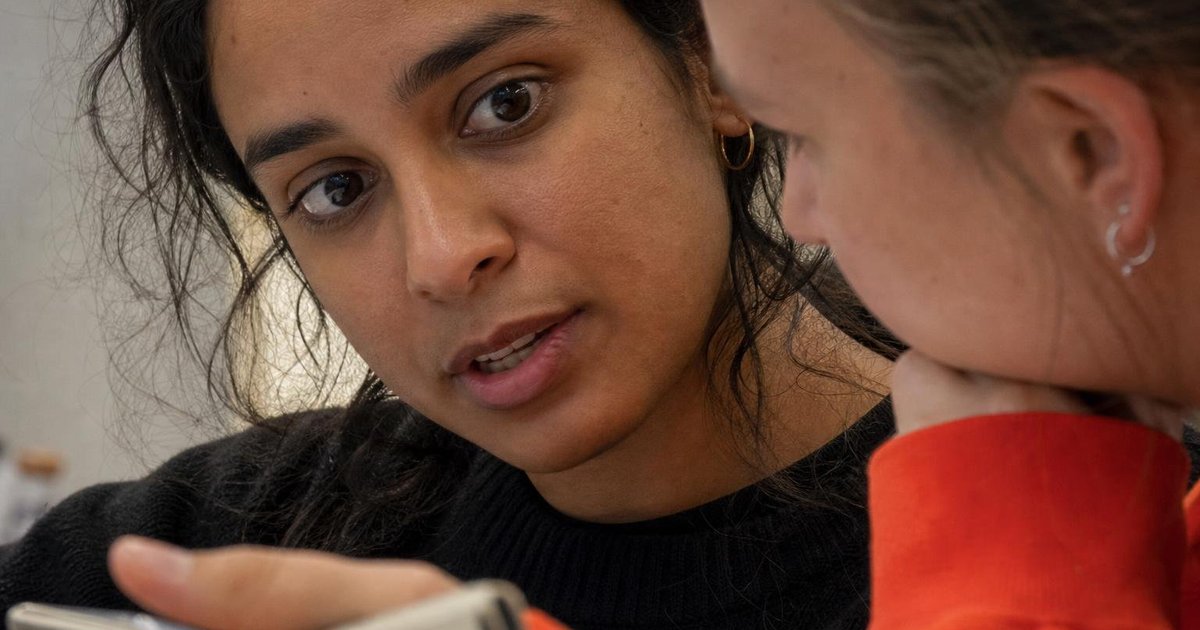
Validate the Workflow Before You Build the Model
Start with conversations about work that has already happened. This is more useful than asking whether they like an idea. It helps founders distinguish an active problem from a polite expression of interest, and it keeps the discussion tied to everyday business workflows.
For an AI product, this also exposes practical questions early: whether relevant data exists, how it can be accessed, and where a user needs to stay involved in the decision.
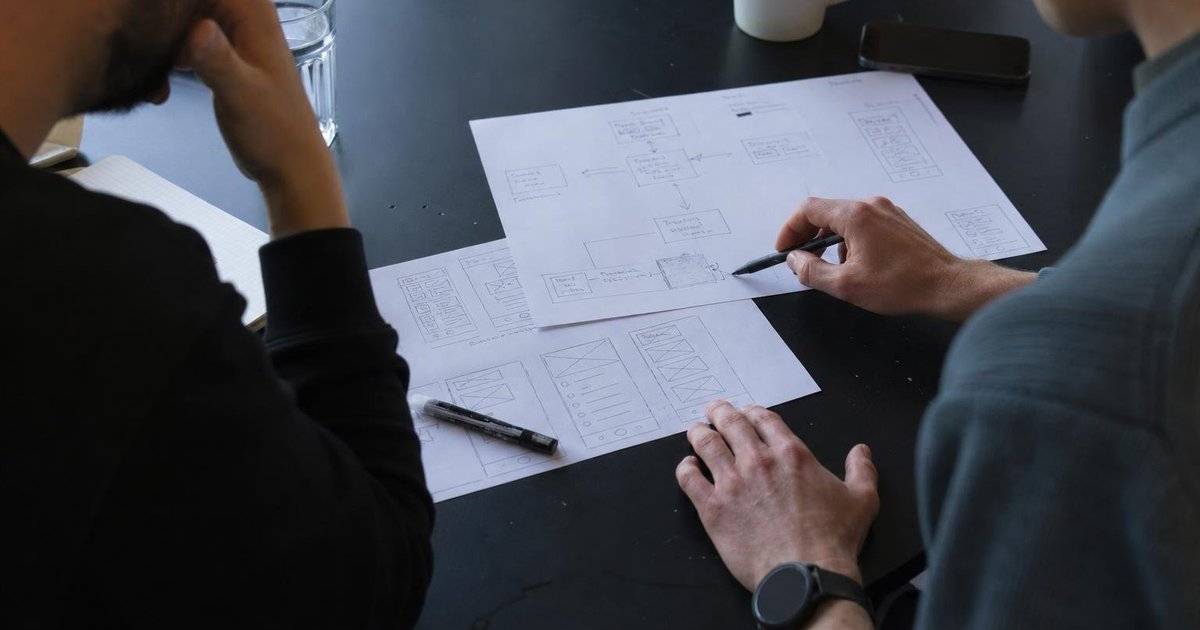
Test the value with a lightweight version
A simple prototype or a manual process can show whether users will try a different way of working before you commit to model selection, infrastructure, or a larger build.
Note what would prompt a customer to run a trial, what they would expect to change in their workflow, and why they might decline. The aim is not to collect compliments; it is to learn whether the problem is real enough for people to change behaviour.
Run a Three-Step Validation Sprint
- 1Interview prospective users about work that has already happened to identify an active problem.
- 2Map the workflow’s available data, access needs, and points where users must stay involved.
- 3Test a simple prototype or manual process to see whether users will change how they work.
Design the Smallest Credible AI Product
For example, the product might prepare a draft for review rather than attempting to run an entire business process. A focused MVP makes it easier to see whether the AI is useful in an everyday workflow, while avoiding the common mistake of trying to automate everything at once.
Choose the product’s data and context needs before committing to a model or architecture.
Free worksheet
AI Startup Idea Validation Worksheet
Use this fill-in worksheet to turn an AI startup idea into a focused customer workflow, validation plan, and small prototype test.
Workflow Definition
30-Day Evidence Plan
Build a Support Circle Around the Test
Australia’s startup communities span established tech hubs in Sydney and emerging digital communities in Perth, alongside online networks.
Prior industry experience can strengthen this circle when it gives you credible access to a real customer problem.
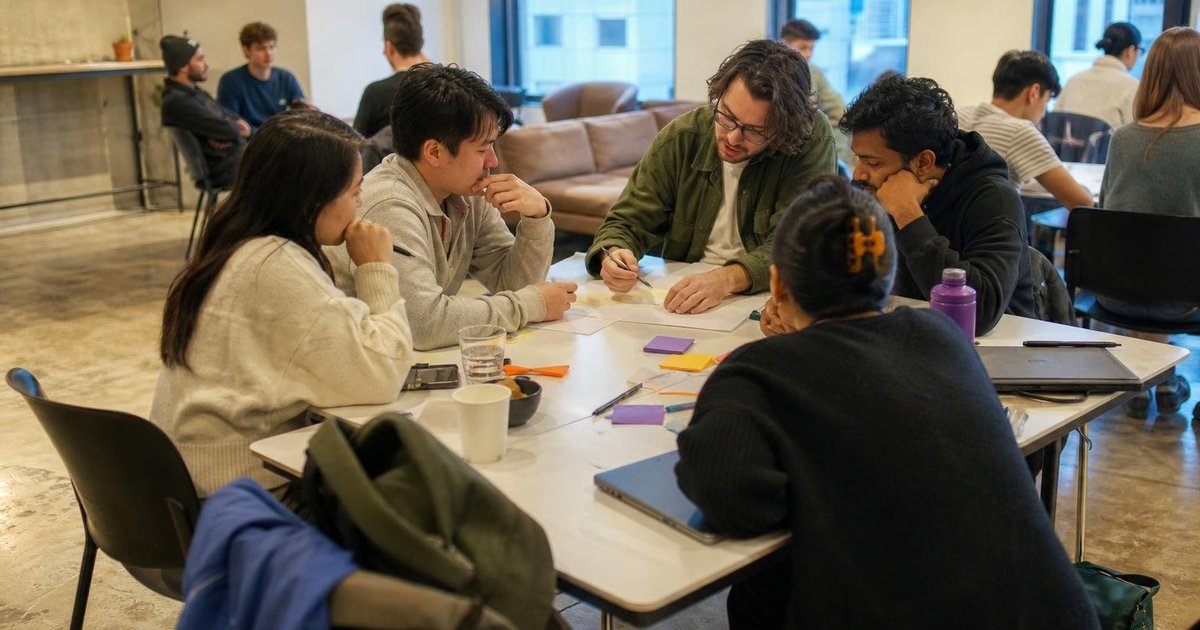
Build the Support Circle You Need
Domain operator becoming a founder
Use prior industry experience to reach people with direct knowledge of a real customer problem.
Technical builder
Use customer conversations to establish the workflow’s data, context, and user-involvement needs before choosing a model.
First-time generalist founder
Use startup communities in Sydney, Perth, and online networks to create repeated opportunities to learn from customer tests.
Make the Next 30 Days About Evidence
For the next 30 days, focus on one customer workflow rather than a broad AI product idea. Write down the assumption that matters most: perhaps that a customer has a repeated task, that the task is painful enough to change, or that an AI-assisted result would be useful. Start with conversations before committing to a larger build. Australian business guidance consistently stresses choosing one problem first instead of trying to automate everything at once.
Turn what you learn into a narrow prototype that produces one useful result. It does not need to solve every part of the workflow.
- Choose one customer workflow and name the assumption you need to test.
- Book customer conversations before expanding the feature set.
- Test a small prototype, then decide whether to refine, narrow, or stop.

Sources & further reading
- [1]Australian Startup Founders Defy Global Trends - Angel Investment Network Blog (opens in a new tab)
angelinvestmentnetwork.net
- [2]
- [3]
Show all 9 references (6 more)Show fewer references
- [4]
- [5]A practical guide to getting started with Business AI - UNSW BusinessThink (opens in a new tab)
businessthink.unsw.edu.au
- [6]AI for Business: A Practical Guide for Australian SMEs (opens in a new tab)
officeproconsulting.com.au
- [7]
- [8]
- [9]Aussie Founders Club | LinkedIn (opens in a new tab)
au.linkedin.com
Disclaimer: This article provides general information and is not legal or technical advice. For official guidelines on the safe and responsible use of AI, please refer to the Australian Government’s Guidance for AI Adoption →
Put One Assumption to the Test
Choose one customer workflow, speak with people who do that work, and use a narrow prototype to test whether an AI-assisted result is useful.
Start Your Validation TestDr Sam Donegan
Medical Doctor, AI Startup Founder & Lead Editor
Sam leads the MLAI editorial team, combining deep research in machine learning with practical guidance for Australian teams adopting AI responsibly.
Frequently Asked Questions
How should a first-time founder validate an AI startup idea?
What should an AI MVP do first?
What should founders learn before choosing a model?
Where can Australian founders build a support network?
Disclaimer: This article provides general information and is not legal or technical advice. For official guidelines on the safe and responsible use of AI, please refer to the Australian Government’s Guidance for AI Adoption →

Join our upcoming events
Connect with the AI & ML community at our next gatherings.
Check availability, any waitlist and registration requirements on the organiser’s page. A listing does not reserve a place.
Founder Content Day
View event details (opens in a new tab)
AI Engineer Night Melbourne #2
View event details (opens in a new tab)
STRANGER BUILDS l $10k USD CASH PRIZES I Halloween Hackathon (MELBOURNE)
View event details (opens in a new tab)