What Community Is in AI and Why It Is More Than a Group
Key facts about AI communities
An AI community is built through shared purpose, trust, and ongoing participation.
What makes an AI group a community?
An AI community is connected by meaningful common ground, such as shared values, norms, identity, place, or purpose. It is sustained through relationships and ongoing participation.
How is an AI community different from a group?
An AI community is more than a collection of members because people share socially meaningful connections and ways of participating. It forms around shared learning, work, or practice.
What does an AI community look like in practice?
It can be people who regularly learn a tool together, discuss a common challenge, and share practical lessons. Their repeated exchanges, not the platform, create the community.
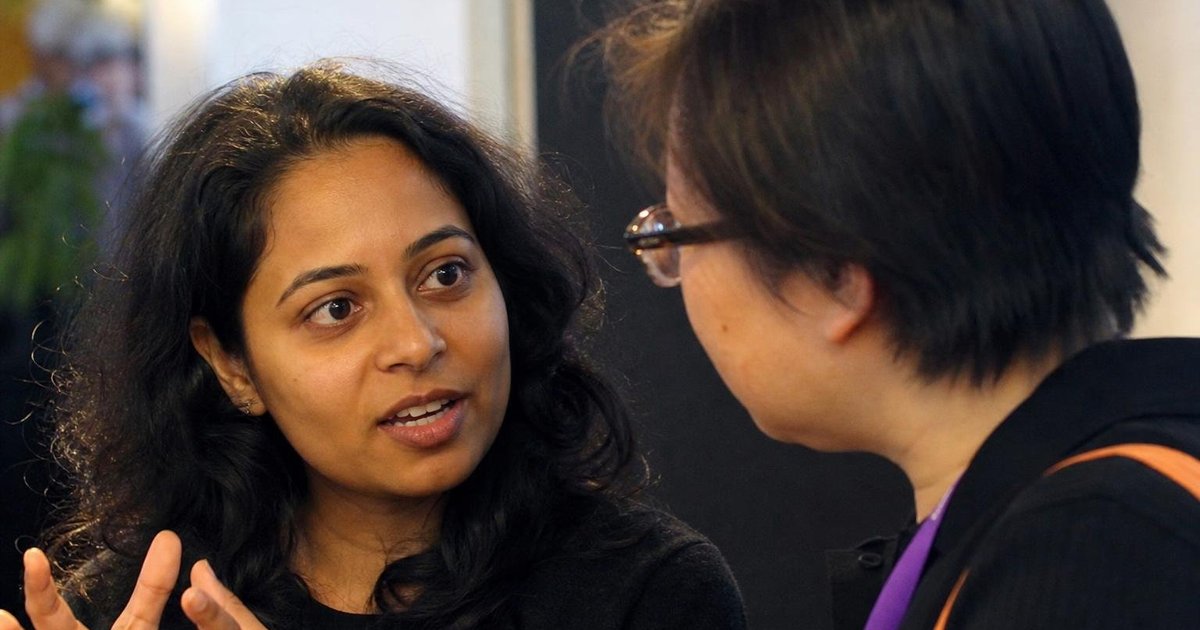
What Community Is in AI and Why It Is More Than a Group A community is a social group held together by something that matters to its members. That shared element can be a place, values, norms, culture, identity, or a common purpose.
In AI, community forms when people build relationships and take part around shared learning or work. These connections can exist locally or online, but the platform itself is not the community; the relationships, shared purpose, and ongoing participation are.
A Group Becomes a Community Through Shared Meaning
A group is simply people linked by a channel, activity, place or interest. A mailing list, Discord server, meetup attendance list or social following can make it easier for AI-interested people to find one another. That does not automatically make it a community. A community has socially meaningful things in common, such as values, norms, identity or a shared purpose. It can exist in a physical place, online, or across both.
Shared purpose gives people a reason to return and a clearer sense of what they can contribute. In an AI setting, that purpose might be learning together, discussing a common challenge, or supporting work around a shared initiative. Repeated interactions then help people recognise how to participate: how questions are asked, how knowledge is shared and how others are treated. Over time, those relationships and norms create an environment people identify with.

What This Means for Different AI Participants
Learners
Seek recurring spaces where questions, shared learning, and early work are welcomed.
Builders and founders
Share work in progress, compare approaches, and offer practical peer feedback around common challenges.
Organisers and supporters
Create repeatable ways for members to meet, contribute, and see that their participation matters.
What Real Community Looks Like in AI
A real AI community is more than an audience for posts, newsletters, or one-off events. It is a group of people connected by a meaningful shared interest, along with relationships, norms, and ways of helping each other. An event can start a connection, but the value comes from what members do with that connection afterwards.
AI can make it easier to find information, surface relevant discussions, or reduce admin work. It does not replace the trust built when people talk honestly, listen carefully, and follow through. In a healthy AI community, members bring unfinished questions as well as polished work.

Look for reciprocity, not just activity
These repeated exchanges give members a reason to return and help turn shared interest in AI into a durable community.
How to Turn AI Participation Into Community
Start with a shared purpose that is specific enough for people to recognise why they belong. An AI group might gather around learning a tool, discussing responsible use, or solving a practical project problem. Communities can form around shared values, norms, identity, or practice, whether members meet in person or online. A clear purpose gives conversations and events a common point of return.
Give members chances to ask questions, share what they have tried, compare approaches, and work across roles. For AI work, a community of practice can bring different teams together and reduce knowledge silos around a shared initiative. Events remain valuable because they create connection and trust that automated answers or online administration cannot reproduce.
Finally, carry contributions forward. AI can help with administrative work such as organising information, surfacing relevant threads, or creating summaries. It should support the human work of connection rather than replace it. A durable community grows when members can see that their participation affects what happens next.
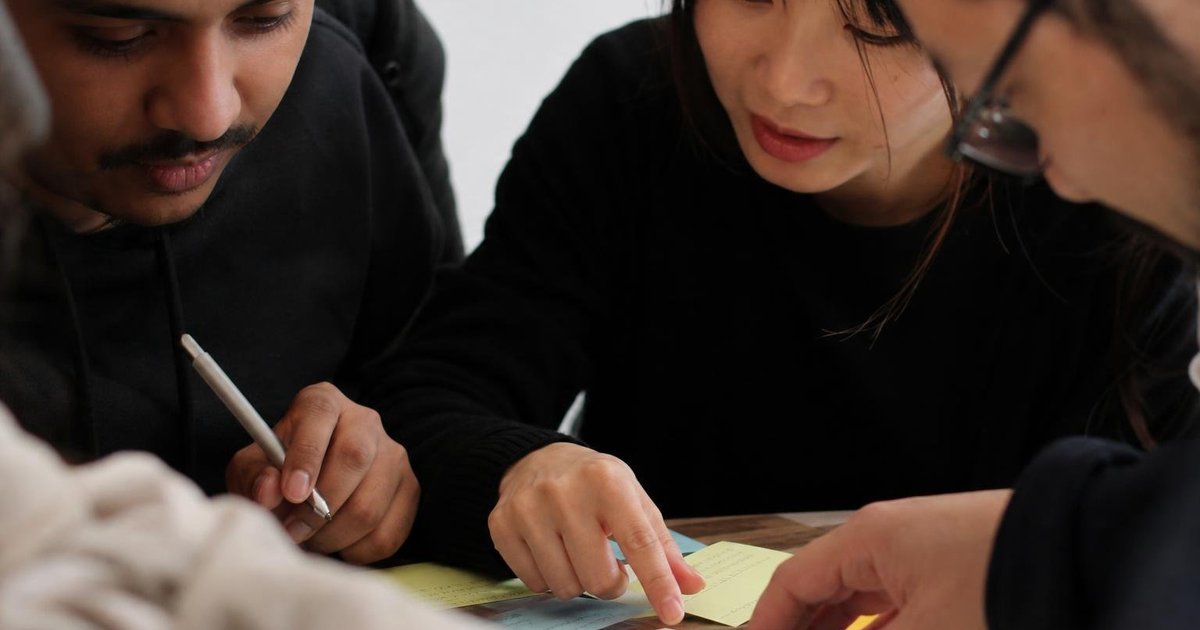
Three Practices That Build Durable Participation
- 1Name a clear shared purpose.
- 2Create repeatable peer participation.
- 3Carry contributions into the next interaction.
AI Can Support Community but Cannot Substitute for Trust
AI can reduce some of the routine work involved in running a community. It can answer common member questions, moderate discussions, surface relevant threads, match people with shared interests, and help produce updates such as a weekly digest. These uses can make knowledge easier to find and ease administrative pressure on a small community team. AI can also help with practical tasks such as creating a tracking spreadsheet, freeing time that would otherwise go to manual setup.
That saved time should support, rather than replace, human community work. A tool cannot sit across the table from someone, listen to their situation, or create the trust that grows through repeated, genuine interaction. Events and direct conversations still matter because they help people meet, exchange experiences, and build relationships.
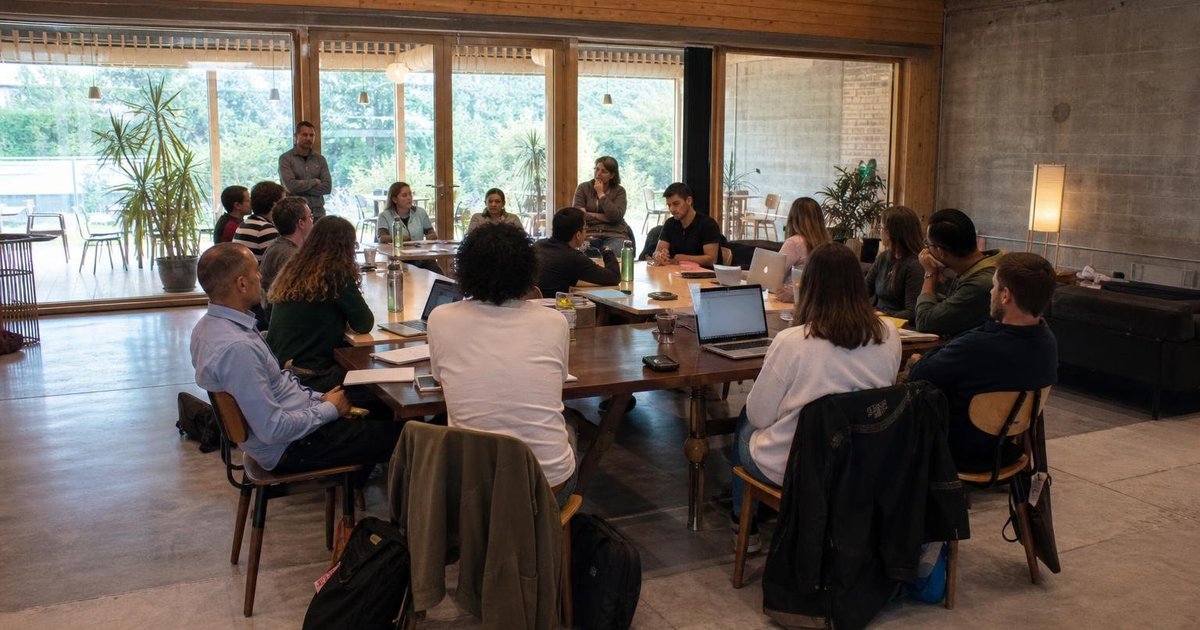
Treat Community as a Practice
A community is more than a list of members or a shared interest. It is a group of people connected by meaningful common ground, such as values, norms, identity, place, or a shared purpose. It becomes stronger when relationships are durable and people have regular ways to take part together.
For an AI community, that practice might be learning with peers, sharing a useful lesson, asking a thoughtful question, helping at an event, or making space for another person to contribute. AI can help with information and administration, but it does not replace the trust built through human interaction.
Sources & further reading
- [1]Community - Wikipedia (opens in a new tab)
en.wikipedia.org
- [2]
- [3]What is Community Strategy? — The CMJ Group by Carrie Melissa Jones (opens in a new tab)
carriemelissajones.com
Show all 6 references (3 more)Show fewer references
- [4]
- [5]Medium (opens in a new tab)
deb-schell.medium.com
- [6]
Disclaimer: This article provides general information and is not legal or technical advice. For official guidelines on the safe and responsible use of AI, please refer to the Australian Government’s Guidance for AI Adoption →
Put Community Into Practice
Create regular opportunities for people to learn together, share what they have tried, and carry useful contributions into the next interaction.
Build ParticipationDr Sam Donegan
Medical Doctor, AI Startup Founder & Lead Editor
Sam leads the MLAI editorial team, combining deep research in machine learning with practical guidance for Australian teams adopting AI responsibly.
Frequently Asked Questions
Can an online AI group be a community?
Is attending one AI event enough to create community?
How can members contribute without being AI experts?
How can organisers tell whether participation is becoming reciprocal?
What is the biggest AI community in Australia?
Disclaimer: This article provides general information and is not legal or technical advice. For official guidelines on the safe and responsible use of AI, please refer to the Australian Government’s Guidance for AI Adoption →
Join our upcoming events
Connect with the AI & ML community at our next gatherings.
Check availability, any waitlist and registration requirements on the organiser’s page. A listing does not reserve a place.
Founder Content Day
View event details (opens in a new tab)
AI Engineer Night Melbourne #2
View event details (opens in a new tab)
STRANGER BUILDS l $10k USD CASH PRIZES I Halloween Hackathon (MELBOURNE)
View event details (opens in a new tab)